The Ultimate Whitening Diet: Your 48-Hour Post-Whitening Meal Plan
Key Takeaways
- A whitening diet is a 48-hour post-treatment eating plan designed to protect your teeth while dentinal tubules remain open and vulnerable to staining.
- Avoid foods high in chromogens and tannins (such as coffee, red wine, soy sauce, and berries) as well as acidic items that exacerbate acidic erosion and tooth sensitivity.
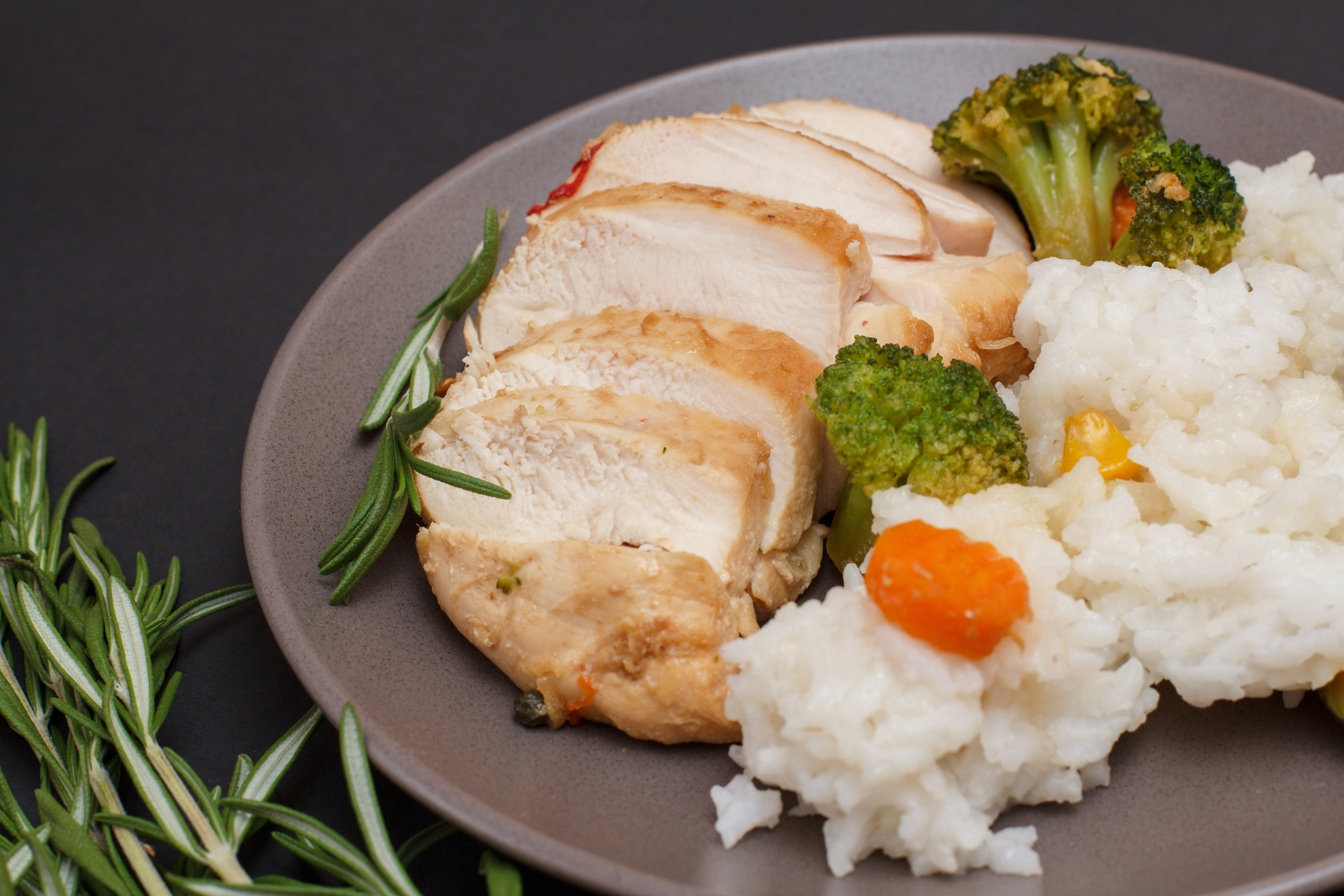
- Stick to pale, unstained foods like skinless chicken breast, white fish, white rice, cauliflower, and plain yoghurt following in-chair professional bleaching.
- Following an actionable 48 hour white diet meal plan gives your saliva time for natural salivary remineralisation, securing long-lasting whitening results.
Why Your Enamel Is Vulnerable: The Science Behind the Whitening Diet
Your enamel is vulnerable after treatment because hydrogen peroxide and carbamide peroxide temporarily increase enamel micro-porosity and open up microscopic channels called dentinal tubules. According to health standards outlined by the Australian Dental Association, professional bleaching agents work by oxidising deep-set organic stains within the tooth structure.
During in-chair professional bleaching, this oxidation process temporarily dehydrates the enamel and strips away the salivary acquired pellicle, which is the natural protein layer that shields your teeth from external stains. In our experience with cosmetic dentistry in Adelaide, patients who strictly follow a post teeth whitening diet for the first 48 hours achieve noticeably brighter, longer-lasting results compared to those who expose their teeth to dark pigments immediately after treatment. During this critical 48-hour window, natural salivary remineralisation works to deposit essential minerals back into the enamel matrix, gradually sealing the dentinal tubules and restoring your tooth's natural protective barrier.
The Danger List: Highly Pigmented and Acidic Foods to Avoid for 48 Hours
Foods to avoid after teeth whitening include any heavily pigmented, dark, or acidic items containing high levels of chromogens and tannins that can easily penetrate opened enamel pores. Chromogens are intensely pigmented compounds that cling to vulnerable enamel, while tannins are plant-based polyphenols that increase the ability of stains to bind to tooth surfaces.
To simplify your shopping choices, we recommend using the white shirt test: if a food or beverage would leave an irreversible stain on a clean white cotton shirt, it will discolour your freshly whitened enamel.
- Dark Beverages: Coffee, black tea, cola, dark spirits, and red wine. For local wine lovers, skipping Penfolds or Barossa Shiraz is strictly essential during this brief 48-hour window.
- Deeply Pigmented Sauces: Soy sauce, tomato paste, red pasta sauce, curry powder, and dark balsamic vinegar.
- Bright Fruits and Vegetables: Beetroot, blueberries, blackberries, cherries, red grapes, and dark leafy greens like spinach.
- Acidic Foods and Beverages: Citrus fruits (lemons, limes, oranges), tomatoes, pickles, and carbonated soft drinks, which trigger acidic erosion and tooth sensitivity.
The Safe Grocery List: Staining-Free Foods for Your Shopping Basket
A safe grocery list for a white diet after teeth whitening consists entirely of pale, non-acidic, low-pigment foods that will not discolour your teeth or irritate sensitive gums. Stocking your pantry with these items before your appointment ensures you do not accidentally compromise your cosmetic results.
| Food Category | Safe "White Diet" Options | Foods to Strictly Avoid |
| Proteins | Skinless chicken breast, white fish (barramundi, cod), egg whites, white tofu | Red meat, dark poultry, egg yolks, cured meats |
| Carbohydrates | White rice, white pasta, peeled potatoes, plain white bread, oatmeal | Wholewheat bread, brown rice, sweet potatoes |
| Dairy & Alternatives | Plain white yoghurt, cottage cheese, skim milk, feta cheese | Fruit yoghurts, dark aged cheeses |
| Vegetables | Cauliflower, peeled cucumbers, white onions, turnips | Beetroot, spinach, carrots, tomatoes |
| Beverages | Tap water, coconut water, white milk, clear sparkling water | Coffee, red wine, tea, berry smoothies |
Quick Patient Tip: The 48-Hour Fridge Cheat Sheet
Screenshot or print this safe shopping list and attach it to your fridge! When deciding what to eat during your first 48 hours, remember the white shirt test: if the food would stain a plain white cotton shirt, keep it off your plate until your enamel tubules re-seal.
Your Actionable 48-Hour Post-Whitening Meal Plan
An actionable 48 hour white diet meal plan structures your daily meals around safe, pale ingredients to ensure complete protection during the crucial post-treatment period. Below is a simple, practical meal schedule designed to keep your teeth bright while keeping you fully satisfied.
Day 1: The First 24 Hours
- Breakfast: Scrambled egg whites served on un-toasted plain white bread with a glass of skim milk or plain water.
- Lunch: Poached or grilled skinless chicken breast with plain white rice and steamed cauliflower florets.
- Dinner: Pan-seared barramundi fillet served alongside creamy mashed peeled potatoes (prepared without dark pepper) and steamed peeled zucchini.
- Snacks: Plain white yoghurt, cottage cheese, or rice crackers.
Day 2: 24 to 48 Hours
- Breakfast: Porridge made with rolled oats, white milk, sliced bananas, and plain protein powder.
- Lunch: White pasta tossed lightly in olive oil, cream, or parmesan cheese, combined with diced chicken breast.
- Dinner: Baked white tofu served with steamed jasmine rice, peeled cucumber slices, and white sesame seeds.
- Snacks: Hard-boiled egg whites, peeled apple slices, or coconut water.
Essential Aftercare Rules to Extend Your Results and Manage Sensitivity
Essential aftercare rules for maintaining your newly brightened smile involve managing temporary acidic erosion and tooth sensitivity while maintaining gentle oral hygiene habits. Following these simple protocols will protect your enamel while it undergoes natural remineralisation:
- Sip Dark Drinks Through a Straw: If you decide to drink tea or coffee after your initial 48-hour window has passed, use a reusable straw to minimise contact with your front teeth.
- Use Desensitising Toothpaste: Apply a mild toothpaste containing potassium nitrate or fluoride to soothe active nerves while your dentinal tubules re-seal.
- Rinse With Water Immediately: Swish your mouth thoroughly with plain water after eating to flush away lingering food particles without applying abrasive force.
- Delay Immediate Brushing: Wait at least 30 minutes after consuming food before brushing to avoid scrubbing softened, post-bleach enamel.
Frequently Asked Questions About the Whitening Diet
Important Information: Cosmetic Treatment Risks
All dental and cosmetic procedures, including professional teeth whitening, carry some degree of risk such as temporary sensitivity or gum irritation.
Ready for a Brighter Smile? Book Professional Teeth Whitening with Dr. Zielinski & Associates in Adelaide
Choosing Dr. Zielinski & Associates for teeth whitening in Adelaide ensures you receive scientifically backed in-chair professional bleaching combined with comprehensive post-treatment care instructions tailored to your smile. Located on Anzac Highway in Glandore, our experienced clinical team prioritises long-term enamel health, low sensitivity, and exceptional cosmetic results. Contact our clinic today to arrange your consultation or discover more about our team.

About the Author: Dr. Zielinski & Associates
Dr. Zielinski & Associates is a leading family and cosmetic dental practice situated in Glandore, South Australia, dedicated to providing scientifically backed, high-quality dental care. With decades of clinical experience, our team specialises in preventative dentistry, complex smile makeovers, and professional teeth whitening solutions tailored for maximum comfort and lasting brilliance.
Medical & Dietary Disclaimer
The information provided in this article is intended for general educational purposes only and does not constitute formal medical, dental, or nutritional advice. Individual dental conditions, sensitivity levels, and dietary requirements vary. Always consult with a registered dental practitioner or qualified healthcare professional regarding your specific health needs before undertaking treatment or changing your diet. If you experience severe pain, unexpected bleeding, or prolonged sensitivity following a procedure, please contact Dr. Zielinski & Associates directly on (08) 8311 0657 or seek professional clinical care.