Thinking About Bonding Teeth? Why Lab-Crafted Restorations Last Longer
Key Takeaways
- While bonding teeth offers a rapid cosmetic fix, it is highly susceptible to chipping, wear, and discolouration over time.
- Composite bonding limitations mean patients often require frequent polishing and replacements to maintain a natural appearance.
- Lab-crafted dental restorations, such as porcelain veneers and crowns, provide significantly higher compressive strength and mimic the light-reflecting properties of natural enamel.
- Investing in porcelain veneers Adelaide clinics provide yields better long-term financial value by avoiding the recurrent maintenance costs of resin.
What is Composite Tooth Bonding and What Are Its Clinical Limitations?
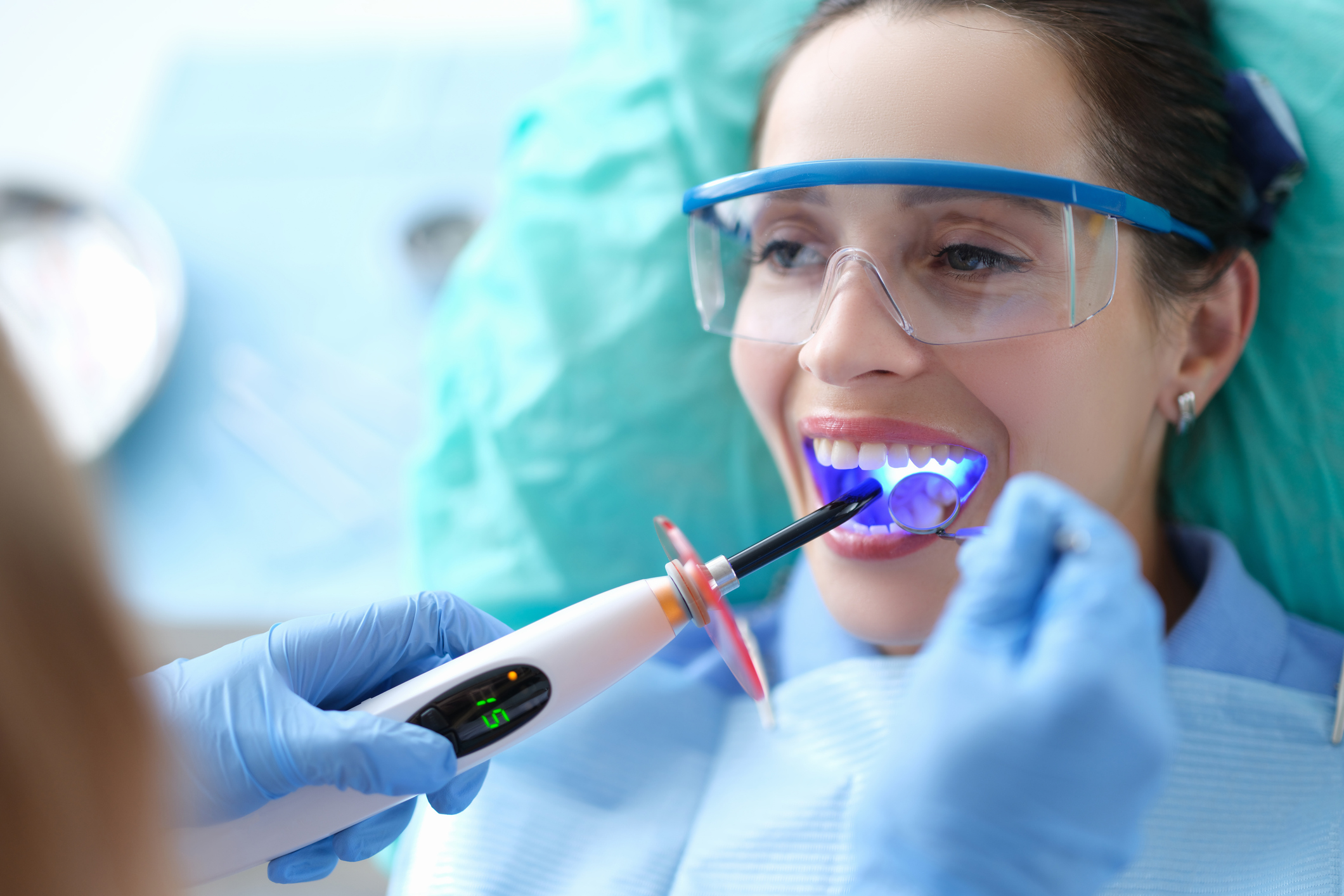
Composite tooth bonding is a cosmetic dental procedure where a malleable, tooth-coloured resin is directly applied and cured onto the tooth surface, but its primary clinical limitations include a lower resistance to staining and a tendency to chip under bite pressure. Because the composite resin is inherently porous, it absorbs dietary pigments from coffee, tea, and red wine over time.
In our experience with cosmetic dentistry, we have seen that patients who choose resin bonding frequently return within two to three years requiring extensive repolishing or complete replacement of the restoration due to aesthetic degradation and marginal wear.
The Scientific Differences in Durability: Composite Resin vs. Porcelain Ceramics
The scientific difference in durability between composite resin and porcelain ceramics lies directly in their compressive strength and material density. Resin is essentially a plastic matrix filled with glass or quartz particles, making it relatively soft and prone to natural enamel wear. Conversely, dental porcelain is fired in a kiln at extremely high temperatures, resulting in a glass-like ceramic that rivals the hardness of natural tooth enamel. When considering alternatives to tooth bonding, porcelain structures milled in a dental laboratory are scientifically proven to withstand the heavy chewing forces of the human jaw far more effectively than layered composite.
| Feature | Composite Resin Bonding | Lab-Crafted Porcelain Ceramics |
| Material Density | Porous plastic and glass matrix. | High-density fired glass ceramic. |
| Stain Resistance | Low; absorbs dietary pigments over time. | High; glazed surface repels stains. |
| Compressive Strength | Moderate; prone to chipping under pressure. | Exceptional; mimics natural enamel hardness. |
| Expected Lifespan | 3 to 5 years before maintenance required. | 10 to 15+ years with proper oral hygiene. |
Why Lab-Crafted Veneers and Crowns Resist Staining and Marginal Leakage
Lab-crafted veneers and crowns resist staining and marginal leakage because they are fabricated under controlled laboratory conditions to create an impermeable, glazed surface and a microscopically precise fit. The glazed surface of porcelain ceramics physically prevents pigments from penetrating. In contrast, composite bonding fails over time due to three factors:
- Porosity: Resin naturally absorbs tannins from coffee and wine.
- Micro-scratching: Daily brushing creates microscopic grooves where plaque hides.
- Marginal Leakage: Bacteria penetrate the gap between the resin and natural tooth, leading to hidden decay.
Furthermore, utilising modern CAD/CAM dentistry technology ensures that the margins where a porcelain restoration meets the natural tooth are sealed perfectly to prevent these issues.
Understanding the Long-Term Financial Value of Permanent Restorations
Understanding the long-term financial value of permanent restorations means recognising that while their initial cost is higher, their extended lifespan significantly reduces the lifetime expense of constant dental repairs. Our data indicates that a well-maintained lab-crafted restoration can last between ten and fifteen years, whereas bonding often requires maintenance every three to five years. When you calculate the cumulative costs of replacing chipped resin, polishing away stains, and taking time off work for multiple appointments, investing in long-lasting dental crowns or veneers proves to be a highly economical decision over a decade.
When Are Dental Inlays and Onlays the Better Choice for Structural Integrity?
Dental inlays and onlays are the better choice for structural integrity when a tooth has suffered moderate to severe decay or structural damage that is too extensive for a standard filling but not severe enough to warrant a full crown. These lab-crafted dental restorations are fabricated from solid porcelain to replace the chewing surface or cusps of a damaged back tooth. Because they are bonded as a single, solid piece, they actively strengthen the remaining tooth structure. Attempting to rebuild a severely compromised molar with direct composite resin often leads to structural failure because the resin lacks the necessary rigidity to withstand posterior bite forces.
Important Information: Cosmetic Treatment Risks
All dental and cosmetic procedures carry some degree of clinical risk.
Frequently Asked Questions About Tooth Restorations
Discuss Alternatives to Bonding Teeth with Dr. Zielinski & Associates in Glandore
Discussing alternatives to bonding teeth with Dr. Zielinski & Associates allows our clinical team to assess your bite force, cosmetic goals, and structural needs to recommend a highly durable, custom-fabricated solution. Selecting the appropriate material for your smile requires a thorough understanding of dental biomechanics and long-term aesthetic stability. When researching options for cosmetic dentistry, South Australia residents can visit our Glandore / Anzac Highway clinic, where we prioritise scientifically backed, lab-crafted restorations designed for long-term durability. Contact our clinic today to schedule a comprehensive consultation and discover how porcelain solutions can enhance your smile with lasting confidence.

About the Author: Dr. Zielinski & Associates
Dr. Zielinski & Associates is a well-established family and cosmetic dental clinic located in Glandore, South Australia. With decades of combined clinical experience, our highly trained practitioners focus on precise diagnostic technology and the principles of the Australian Dental Association (ADA) to deliver durable, scientifically grounded restorative solutions.
Medical & Dietary Disclaimer
The information provided in this article is intended for general educational purposes only and does not constitute formal medical or dental advice. Individual dental conditions, enamel thickness, and suitability for restorative procedures vary significantly. Always consult with a registered dental practitioner regarding your specific health needs before undertaking treatment. If you experience unexpected sensitivity or structural damage following a procedure, please contact Dr. Zielinski & Associates directly on (08) 8311 0657 or seek professional clinical care.